A magnetron is a high-vacuum tube that converts electrical energy into microwaves (a form of electromagnetic radiation with wavelengths shorter than other radio waves but longer than infrared waves) through the interaction of electrons and a magnetic field. Used primarily in microwave ovens and radar systems but also in UV Systems, magnetrons work as a pair and must be replaced as a pair.
Magnetrons provide energy to the Microwave UV System bulb. As they are considered a consumable part, magnetrons should factor into your preventative maintenance schedule. Learn about magnetrons and the role they play in the UV System.

Common Issues with Magnetrons
OVERHEATING
Magnetrons can overheat due to a variety of reasons, including excessive use, poor ventilation, or issues with the cooling fan or thermal switch. Other factors to consider include keeping the air pressure at the specified range, making sure the air is clean and dry, and that there is proper air flow, not just pressure.
- Standby Mode: When the lamp is kept on standby for extended periods of time, the filaments remain at a high voltage and current load on the filament and shorten the life expectancy of the magnetrons.
- Poor Ventilation: If the microwave powered UV lamp is placed in a confined space without proper airflow, it can trap heat and lead to overheating. If the light shield is not designed properly, it can restrict the cooling air from exhausting properly and prevent sufficient make-up cooling air from flowing correctly though the light shield resulting in the lamps overheating. Therefore, poor lightshield design causes these conditions to shorten the life expectancy of the magnetrons.
- Cooling Fan Issues: A malfunctioning fan or one that is not running at all, can prevent the magnetron from cooling down properly.
- Air Switch Problems: A faulty air switch may not be able to detect air flow and shut the microwave powered UV lamp off, leading to further heat build-up.
ELECTRICAL ISSUES
- Insufficient Bias Voltage: If the magnetron doesn’t receive enough voltage, it can overheat as it tries to compensate.
- Faulty Diode/Capacitor: A bad diode or capacitor in the power supply may not provide the correct voltage to the magnetron.
- Arcing: If gas forms within the magnetron, it can cause arcing, which generates excessive heat and potentially damages the magnetron.
- Moding: One magnetron is overdriving the other in terms of power and the overall voltage drops.
- Poor Connections: Loose or poorly crimped connections in the magnetron’s circuitry can also cause overheating.
- Incorrect Filament Voltage: Leads to overheating and premature failure of the magnetron. If the filament voltage is set too high, it can cause the magnetron to overheat, significantly reducing its lifespan. The filament control card is factory set to the proper voltage. Use a true RMS meter to measure voltage.
Troubleshooting
A quick physical check of the magnetrons can help troubleshoot issues.
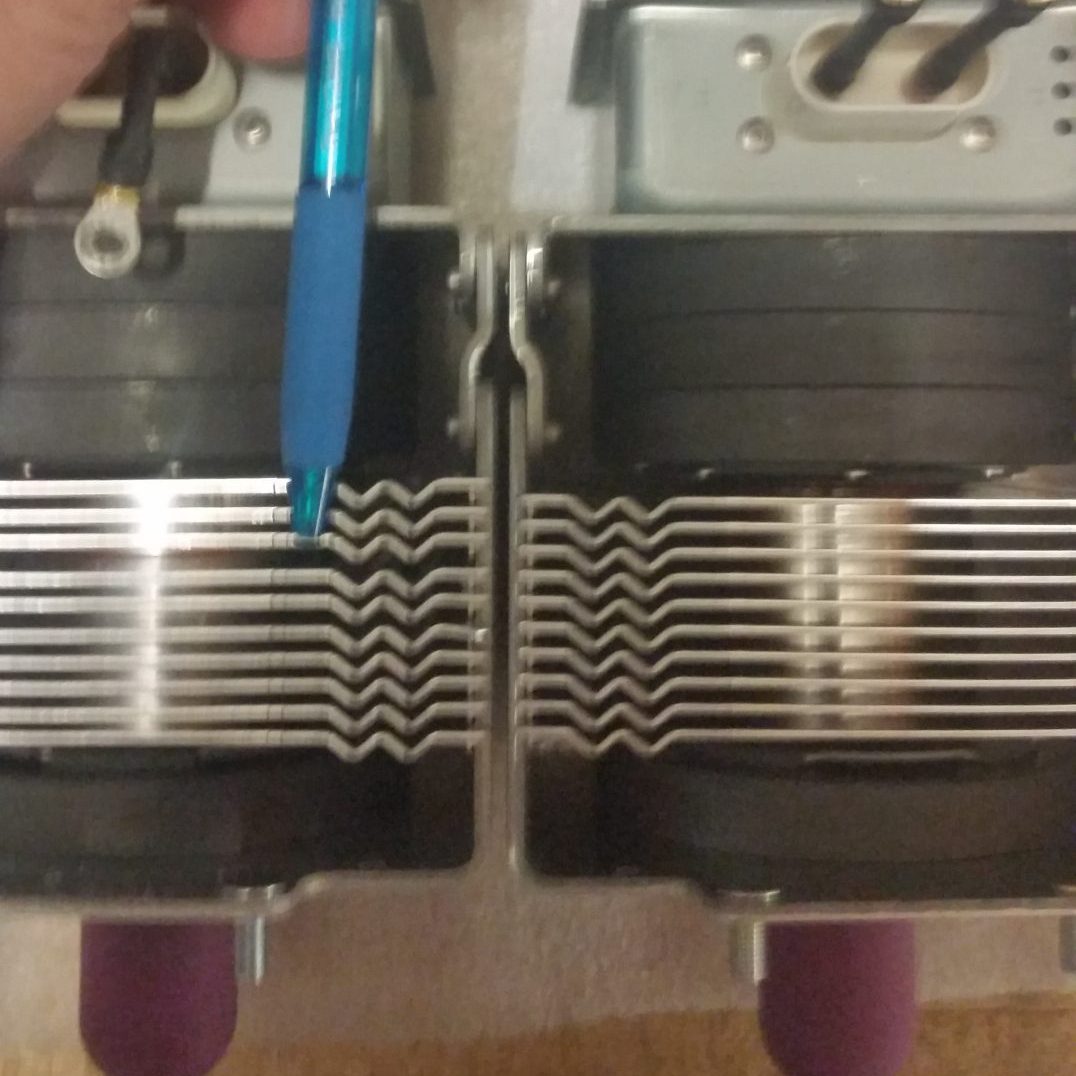
Cooling Fins: One sign of overheating is the spreading of the cooling fins as seen on the magnetron on the left in the photo below.
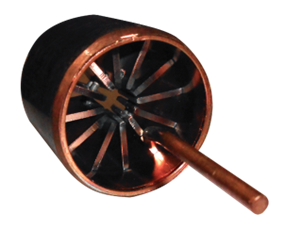
Core Discoloration: Another sign of overheating is discoloration to the core of the magnetron. Notice the color bursts on the spokes of the core.
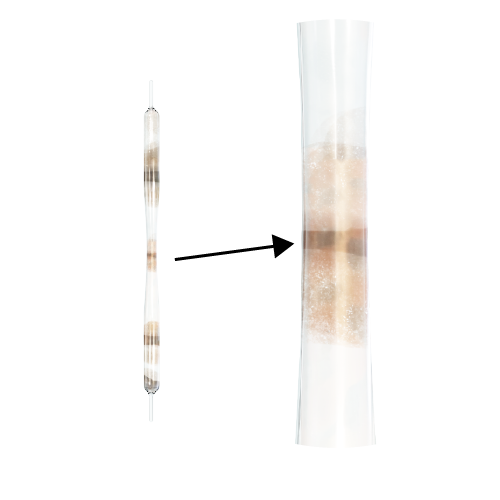
Banding on the bulb: Horizontal stripes of color may be present on the UV bulb. These streaks are not due to bulb failure, but are caused by a power imbalance, which is typically a result of bad magnetrons. Other possible causes of a power imbalance could be a faulty transformer or faulty diode. To troubleshoot, connect a known working power supply to the “suspect” UV lamp. If the Power Imbalance fault persists, then the cause is likely in the lamp, which would point to faulty magnetrons or faulty filament transformer in the lamps. The corrective action would be to replace the magnetron set with a new magnetron set. If this does not resolve the problem, then replace the filament transformers. If the “suspect” UV lamp runs fine when connected to a known good power supply, then the problem was caused by the original power supply that was powering the lamp. If the power supply is the problem, the likely cause is a faulty HV transformer or HV diode inside the power supply. Note that the UV bulb that shows the horizontal streaks of mercury inside the UV bulb is likely a good UV bulb. Do not discard this UV bulb. Once the fault problem is determine and resolved, this UV bulb should be installed in the lamp for normal use.
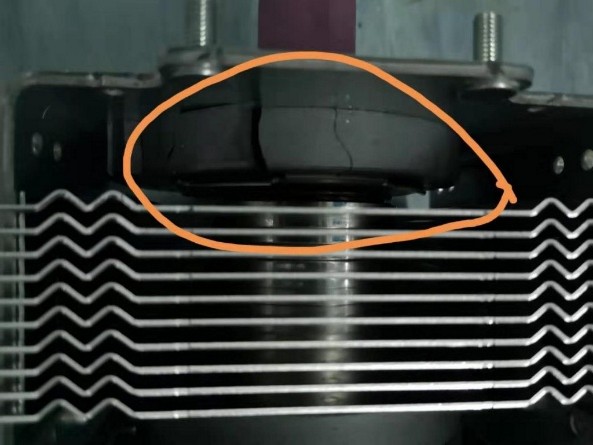
Plating on the inside of the magnetron can erode over time, causing the magnetron to arc or short-out internally, referred to as moding. When moding first occurs, you will notice the bulb blinking rapidly. As the magnetron arcs, it will drop lamp intensity to 40-50% power. Moding often occurs when the magnetrons approach the end their life or if the overheating problems listed above have shortened it. It is crucial to address this issue promptly by replacing the magnetrons to restore optimal performance.
Familiarizing yourself with the microwave UV System will help with troubleshooting, as you will know what to look for as issues arise. Our service team is ready to assist with UV system questions, contact us at sales@miltec.com.
For more than 35 years, Miltec UV has been manufacturing UV curing systems, bulbs, supplies, electrical components and more from its facility in Stevensville, Maryland. With its own bulb shop, manufacturing division and strict quality control processes, Miltec has the parts you need in stock when you need them.